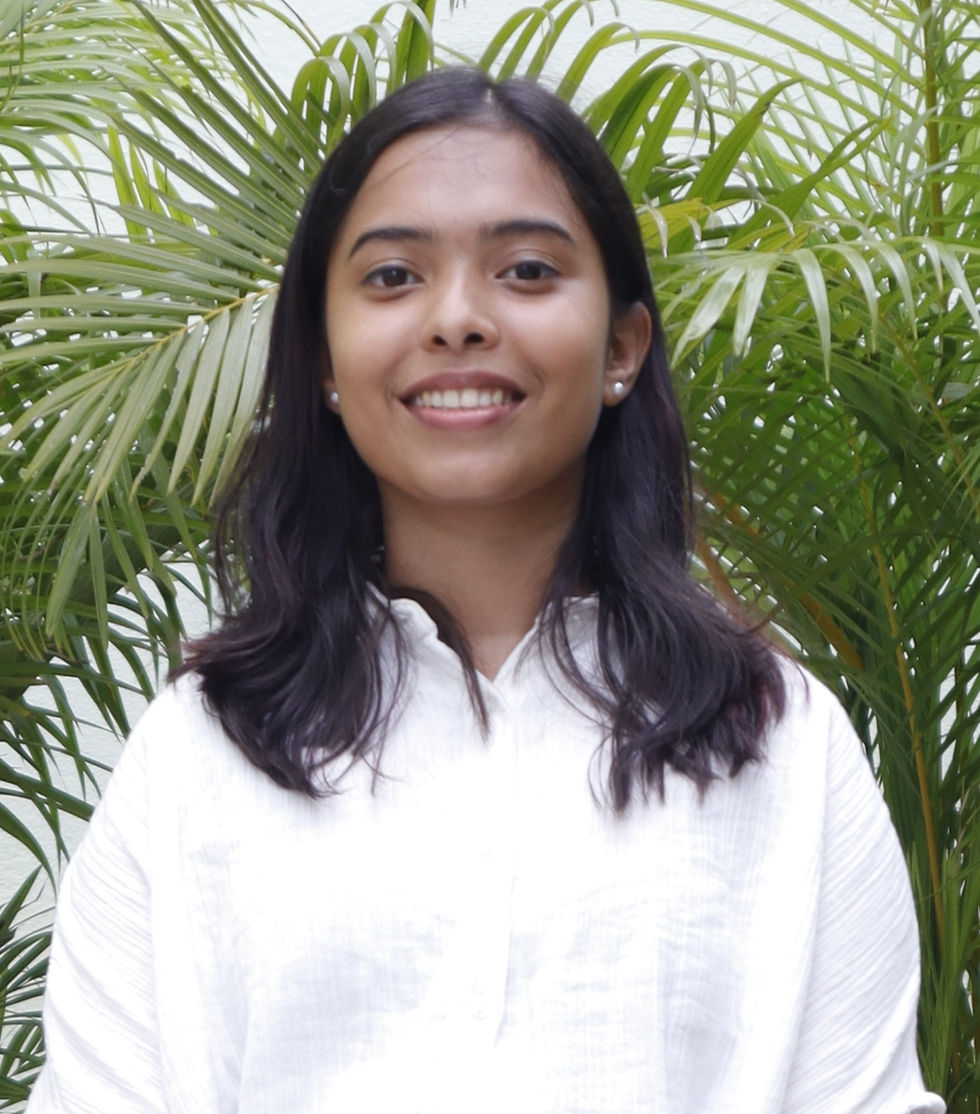
Harsha PR
Research Associate
Harsha approaches environmental work through curiosity, field engagement, and an interest in understanding how people relate to the landscapes around them. Her experiences across wetlands, forest-edge villages, and mountain towns have shaped her perspective on conservation and governance as deeply interconnected with everyday life, local knowledge, and community realities.
With a Master’s degree in Natural Resources and Governance from Tata Institute of Social Sciences (TISS) Hyderabad, Harsha has worked across some of India’s most ecologically significant landscapes. She played a key role in wetland conservation efforts in Kerala, working with the District Collector, Alex Varghese, and other government and academic stakeholders to translate climate resilience and nature-based adaptation strategies into practical project frameworks for the Vembanad Wetland Rejuvenation project. During her internship with Kerala Institute of Local Administration (KILA), she explored the challenges of human-wildlife conflict in forest-edge communities in Idukki as part of Local Action Plans on Climate Change and Disaster Management Plans. At iFOREST – (International Forum for Environment, Sustainability & Technology), she contributed to research on sustainable urban mobility planning in Himalayan cities. With Foundation for Ecological Security (FES), she spent time in villages in Madhya Pradesh and Rajasthan that depend on forest resources and common lands, exploring how communities manage shared natural resources and how the governance structures play an important role in them.
What connects her work is a persistent interest in the human side of environmental challenges: who gets to make decisions, who is most affected by them, and how governance can work better for both ecosystems and people. Her interests lie in biodiversity assessment and conservation, monitoring, and evaluation, nature-based adaptation, and particularly in working at the intersection of nature, wildlife, and communities. She is drawn to spaces where field realities intersect with policy conversations and where research can generate meaningful insights that respond to real-world challenges.
Outside of work, Harsha enjoys reading, watching nature documentaries, embroidery, swimming, and occasional cooking.